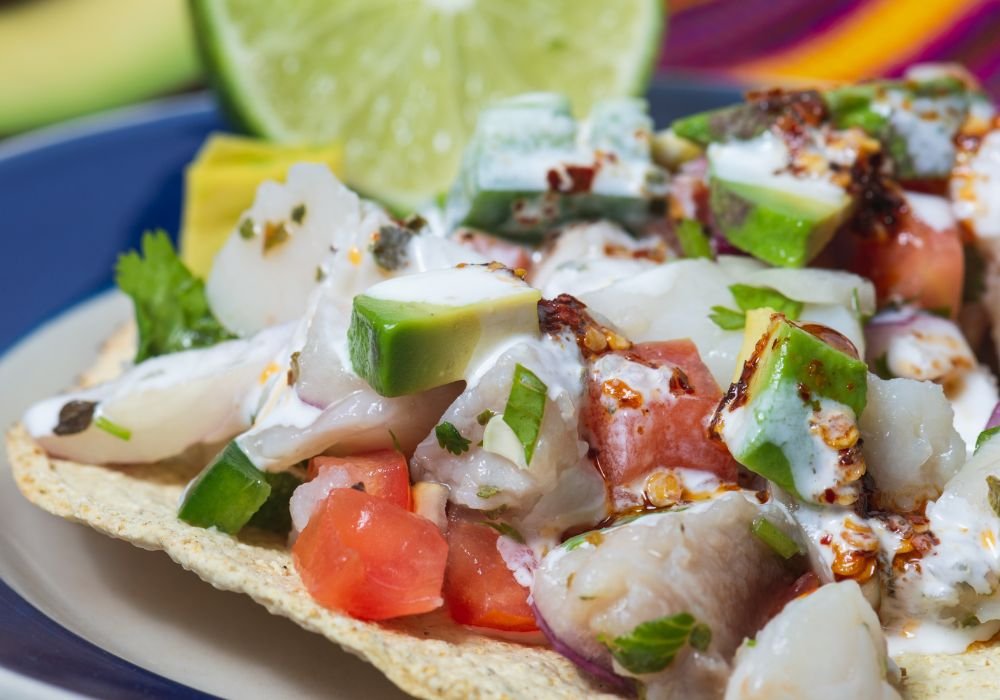
Bozeman’s dining scene is a vibrant tapestry, constantly weaving in new threads of international flavor. Amidst this expansion, the distinct aromas and tastes emanating from 'mediterranean and indian restaurants in bozeman' have carved out a special niche, offering locals and visitors a delightful escape into rich culinary traditions. These cuisines, celebrated for their unique spices, fresh ingredients, and time-honored cooking methods, provide a fascinating contrast and complement to the city's broader food offerings, proving that Bozeman’s palate is truly global.
At a Glance: Savoring Bozeman's Eastern & Mediterranean Gems
- Discover authentic Indian flavors: Learn where to find traditional curries, aromatic spices, and classic accompaniments in the Gallatin Valley.
- Explore the Mediterranean appeal: Understand the characteristic fresh, healthy, and diverse offerings of Mediterranean cuisine and what to look for locally.
- Navigate diverse menus: Get tips on choosing dishes, understanding spice levels, and catering to various dietary preferences.
- Enhance your dining experience: Practical advice for ordering, pairing, and appreciating the cultural nuances of each meal.
- Find your next favorite meal: Pinpoint key experiences and what makes these international spots stand out in Bozeman.
The Aromatic Journey: Unpacking Indian Cuisine in Bozeman
Indian food isn't just a meal; it's an experience, a symphony of spices and textures that can transport you directly to the subcontinent. From the subtle warmth of cardamom to the fiery kick of chili, each dish tells a story, often steeped in centuries of culinary tradition. In Bozeman, this intricate world of flavor has found a dedicated home, offering residents a taste of true India without leaving Montana.
Curry Express: A Pioneer of Authentic Indian Flavors
When it comes to Indian cuisine in the Gallatin Valley, Curry Express holds a special place. As the first Indian restaurant in the area, it bravely introduced Bozeman to the rich, complex flavors of authentic Indian cooking. This isn't a place that caters to a "Westernized" palate by watering down its recipes; instead, Curry Express prides itself on maintaining genuine Indian taste profiles, a commitment that resonates with those seeking a true culinary adventure.
Walking into Curry Express, you're greeted by a casual, quick-service atmosphere, perfect for a satisfying meal whether you're grabbing a quick lunch or enjoying a relaxed dinner. The journey often begins with crispy samosas, a beloved Indian pastry filled with spiced potatoes and peas, perfectly complemented by a variety of freshly baked naans – the soft, pillowy bread that's essential for scooping up every last bit of sauce.
The true heart of Curry Express lies in its incredible range of curries. The menu is a delightful challenge to navigate, offering a lengthy selection that makes choosing just one dish a delightful dilemma. Whether your preference leans towards the creamy richness of a Korma, the vibrant tang of a Vindaloo, or the comforting warmth of a Tikka Masala, you're likely to find a curry that speaks to your taste buds. Each dish is a testament to the meticulous blending of spices, yielding layers of flavor that evolve with every bite. To complete the experience, don't forget to add your favorite chutney for an extra burst of flavor and a cooling, sweet mango lassi – a traditional yogurt drink that provides a perfect counterpoint to the spices. Dining at Curry Express is truly basking in the rich flavors of the East, right here in Bozeman.
Beyond the Plate: What Makes Indian Dining Special
An authentic Indian dining experience goes beyond the main course. It's about the interplay of textures, temperatures, and tastes. Consider the importance of rice, often basmati, served perfectly fluffy to absorb the rich gravies. Lentil dishes like dal, various vegetable preparations (sabzis), and tandoor-baked specialties (like tandoori chicken) all play crucial roles. The experience often encourages sharing, allowing diners to sample a wider array of flavors and truly appreciate the diversity of Indian regional cooking. From the hearty, robust dishes of the North to the lighter, spicier fare of the South, Indian cuisine offers a seemingly endless exploration.
The Sun-Kissed Side: Exploring Mediterranean Tastes in Bozeman
Mediterranean cuisine is renowned globally for its fresh ingredients, healthy focus, and vibrant flavors. Rooted in the culinary traditions of countries bordering the Mediterranean Sea—like Greece, Turkey, Lebanon, and Italy—it emphasizes vegetables, legumes, olive oil, fresh herbs, lean proteins, and whole grains. It's a diet celebrated not just for its deliciousness but also for its health benefits.
While specific dedicated Mediterranean restaurants might be emerging or integrated into broader international menus in Bozeman, understanding what this cuisine typically offers helps you seek out those delightful flavors. The essence of Mediterranean food lies in its simplicity and the quality of its components.
Decoding Mediterranean Flavors: What to Look For
When searching for Mediterranean influences in Bozeman, you'll be looking for several key elements:
- Freshness First: Think crisp salads like Tabbouleh (parsley, tomato, bulgur wheat) or Greek salads bursting with olives, feta, and cucumber. Freshness is paramount.
- The Power of Mezze: This concept of small plates is a hallmark of Mediterranean dining, encouraging sharing and variety. Expect dips like creamy hummus (chickpea and tahini), smoky baba ghanoush (eggplant), or tangy tzatziki (yogurt, cucumber, garlic). These are perfect for scooping with warm pita bread.
- Grilled Delights: Kebabs, whether lamb, chicken, or beef, are a staple, often marinated and grilled to perfection, served with rice or fresh vegetables. Gyros, featuring thinly sliced meat (often lamb/beef or chicken) cooked on a vertical rotisserie, wrapped in pita with fresh toppings and a yogurt sauce, are another iconic offering.
- Legumes & Grains: Falafel (fried chickpea patties), lentils, and couscous are common, providing plant-based protein and fiber.
- Herbs & Olive Oil: Dishes are brightened with an abundance of fresh herbs like mint, parsley, and oregano, and almost everything is finished with a drizzle of high-quality olive oil.
While a standalone, well-established Mediterranean restaurant might be less overtly visible than some other international options in Bozeman, the city's expanding culinary landscape suggests a growing appetite for these fresh, healthful flavors. You might find Mediterranean-inspired dishes on menus that blend various international elements, or discover new, dedicated spots emerging as Bozeman continues to embrace global diversity. Keeping an eye on local food directories and new restaurant announcements is always a good strategy to find these gems.
Navigating Your Culinary Journey: What to Expect and How to Choose
Diving into 'mediterranean and indian restaurants in bozeman' offers a fantastic opportunity to broaden your palate. While both cuisines deliver distinct international flavors, they approach seasoning, ingredients, and dining experiences in unique ways. Understanding these differences can help you make informed choices and truly appreciate each meal.
Spice Levels and Flavor Profiles: A Tale of Two Cuisines
The most apparent difference lies in their approach to spice. Indian cuisine is famous for its intricate use of a wide array of ground and whole spices—cumin, coriander, turmeric, cardamom, cinnamon, cloves, chilies, and garam masala, to name a few. Dishes can range from mildly aromatic to intensely fiery, and the heat often comes from fresh chilies, ginger, and garlic, building in complexity. The flavors are often rich, deep, and layered, often featuring creamy sauces or hearty stews.
Mediterranean cuisine, while flavorful, generally uses spices more sparingly and differently. Herbs like oregano, mint, parsley, and thyme play a starring role, often fresh. Lemons, garlic, and olive oil are foundational, providing bright, tangy, and sometimes pungent notes. The emphasis is on enhancing the natural taste of fresh ingredients rather than transforming them with heavy spice blends. Heat, if present, typically comes from ingredients like crushed red pepper flakes or specific regional chili pastes, but it’s rarely the dominant characteristic.
Dietary Needs: Catering to Everyone
Both Mediterranean and Indian cuisines are remarkably adaptable to various dietary preferences, making them excellent choices for groups with diverse needs:
- Vegetarian & Vegan: Indian cuisine is a vegetarian paradise, with a vast selection of plant-based dishes from lentil dals and vegetable curries to paneer (Indian cheese) specialties. Many dishes are naturally vegan or can be easily made so by omitting dairy. Similarly, Mediterranean food offers abundant plant-based options like hummus, falafel, baba ghanoush, and various fresh salads, making it very vegan-friendly.
- Gluten-Free: Both cuisines often feature many naturally gluten-free options. In Indian food, rice-based dishes, most curries (check for flour-based thickeners, which are rare but possible), and lentil dishes are usually safe. For Mediterranean, many grilled meats, salads, and dips are naturally gluten-free, though one must be mindful of pita bread or couscous, which contain gluten. Always communicate your dietary restrictions clearly to the restaurant staff.
- Health-Conscious: Mediterranean cuisine is lauded for its health benefits, focusing on fresh vegetables, healthy fats (olive oil), and lean proteins. Indian food, while often rich, can also be very healthy, especially vegetable-heavy dishes and dals, which are packed with nutrients. Opting for grilled or tandoori options over fried, and choosing whole grains where available, can make for a very nourishing meal.
Understanding these aspects helps you approach menus with confidence, ensuring a delicious and satisfying experience whether you're seeking the vibrant spices of India or the fresh, herbaceous notes of the Mediterranean. It's this breadth of choice and adaptability that truly highlights Bozeman's diverse global cuisine.
Practical Playbook: Maximizing Your Meal in Bozeman
Venturing into 'mediterranean and indian restaurants in bozeman' is about more than just ordering food; it's about embracing a new way of eating. Here’s a quick guide to making the most of your international dining experience.
Mastering the Indian Menu
- Start with Starters: Begin with classic appetizers like samosas (savory pastries), pakoras (fried vegetable fritters), or papadum (crispy lentil wafers) with chutneys. They set the tone for the meal.
- Curry Your Way: Don't be afraid to ask about spice levels. Most restaurants can adjust the heat. If you're new to Indian food, try milder options like Chicken Tikka Masala, Butter Chicken, or a creamy Korma. For vegetarians, Palak Paneer (spinach and cheese) or various lentil dals are excellent.
- Bread & Rice are Key: Order an assortment of naan (plain, garlic, butter) for scooping. Basmati rice is usually served alongside, perfect for soaking up gravies. Consider a flavorful biryani if you want a complete rice-based dish.
- Cool Down: A mango lassi (a sweet yogurt drink) is an ideal companion to spicy food, as milk products help neutralize capsaicin. Indian chai tea is also a wonderful digestive aid and a comforting finish.
- Share & Explore: Indian dining is often communal. Ordering several dishes to share allows everyone to sample a wider range of flavors.
Embracing Mediterranean Dining
- Mezze Magic: Start with a selection of mezze (small plates) like hummus, baba ghanoush, tzatziki, and falafel. These are perfect for sharing and provide a delightful introduction to the cuisine's flavors.
- Main Course Choices: Opt for grilled kebabs (lamb, chicken, beef) for lean protein, often served with rice pilaf or fresh salad. Gyros are a satisfying handheld option. For a heartier meal, look for moussaka (layered eggplant and meat) or various stews.
- Freshness is Paramount: Pay attention to salads and fresh vegetable sides. The vibrancy of raw ingredients is a hallmark of Mediterranean cooking.
- Drink Pairings: Enjoy fresh mint tea, sparkling water, or a light wine that complements the clean, herbaceous flavors.
- Lemon & Olive Oil: Don't hesitate to add extra lemon wedges or a drizzle of olive oil if offered. These are fundamental flavor enhancers.
Case Snippets: Real-World Scenarios
- The First-Timer's Dilemma (Indian): Your friend is hesitant about Indian food, fearing it's too spicy. At Curry Express, you suggest starting with Butter Chicken or Chicken Tikka Masala, both known for their creamy, milder profiles. You also order garlic naan and a mango lassi to balance any potential heat, ensuring a pleasant introduction.
- The Healthy Eater (Mediterranean): You're looking for a nutritious lunch. You find a local spot with a Mediterranean-inspired menu. You opt for a grilled chicken kebab plate, requesting extra salad instead of rice, and a side of hummus with crisp vegetables for dipping instead of pita. This allows you to enjoy the fresh flavors while adhering to your dietary goals.
- Group Gathering (Both): For a mixed group with varying tastes, you decide to go to an international eatery that might offer a few diverse dishes. One friend orders a classic Indian Lamb Rogan Josh, while another finds a chicken souvlaki (a Greek grilled skewer) on the broader "international" section of the menu. This showcases how Bozeman's culinary diversity can cater to multiple cravings under one roof, even if a dedicated Mediterranean restaurant isn't present.
Quick Answers: Common Questions on Mediterranean & Indian Dining
Is Indian food always spicy?
Not at all! While many Indian dishes can be quite spicy, there's a vast range of flavors. Many popular dishes, like Butter Chicken or Korma, are rich and creamy with mild spice. Restaurants often indicate spice levels or can adjust them to your preference. Don't let a fear of heat deter you from trying this incredibly diverse cuisine.
What's the difference between a gyro and a kebab?
A gyro (pronounced yee-roh) typically refers to meat (often lamb/beef mix or chicken) cooked on a vertical rotisserie, then thinly sliced and served wrapped in a pita bread with tomatoes, onions, and a yogurt-based sauce (tzatziki). A kebab refers to pieces of meat, poultry, fish, or vegetables grilled on a skewer. While both are grilled meats, their preparation and presentation are distinct.
Are these cuisines considered healthy?
Generally, yes, with some caveats. Mediterranean cuisine is widely recognized as one of the healthiest diets due to its emphasis on fresh vegetables, olive oil, lean proteins, and whole grains. Indian cuisine can also be very healthy, particularly dishes rich in lentils (dals), vegetables, and lean meats, often cooked with beneficial spices. However, some dishes in both cuisines can be rich in fats (e.g., fried items, creamy curries), so moderation and balanced choices are key.
Are there good vegetarian options in both?
Absolutely! Both cuisines are fantastic for vegetarians and often for vegans too. Indian cuisine, with a large vegetarian population in India, offers an incredible array of plant-based dishes. Mediterranean cuisine is also rich in vegetarian options, from hummus and falafel to various vegetable tagines and salads. You'll rarely struggle to find delicious meat-free choices.
Your Next Culinary Adventure Awaits
Bozeman's culinary scene is a testament to its evolving identity, where traditional Montana fare now shares the spotlight with diverse global offerings. The presence of 'mediterranean and indian restaurants in bozeman', particularly with the authentic touch found at places like Curry Express, enriches this landscape significantly. Whether you're craving the deep, aromatic spices of India or the fresh, herbaceous zest of the Mediterranean, Bozeman offers avenues to explore these rich culinary traditions. Don't hesitate to step out of your comfort zone, ask questions, and savor the distinct flavors that make these cuisines so beloved worldwide. Your next favorite meal could be just a forkful away, right here in the heart of the Gallatin Valley.